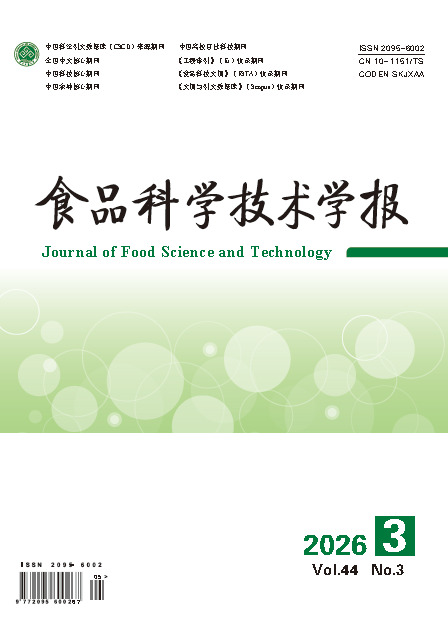
• Volume 42,Issue 3,2024 Table of Contents
    Select All
    Display Type: |
    • >Special Edition
    • “Intelligence+Food Regulation”:Development Process, Application Status, and Future Direction

      2024, 42(3):1-10. DOI: 10.12301/spxb202400331

      Abstract (1913) HTML (1216) PDF 9.48 M (828) Comment (0) Favorites

      Abstract:The “all-encompassing approach to food” proposes new development demands for the future of the food industry. As the food industry expands and upgrades, unsafe factors and their evolutionary methods will become more complex, bringing more daunting tasks for safety risk prevention and control. Only by ensuring the safety of business forms can the food industry develop healthily and smoothly. Currently, the contradiction between limited regulatory resources and power and the increasingly heavy and complex regulatory tasks in the food industry is becoming more prominent. Traditional regulatory methods are insufficient to meet the high-quality development needs of the food industry. Data-driven computer science and intelligent technology provide technological entry points for food industry regulation. Collecting various information in real time within the food industry chain to form “data intelligence” and developing smart regulatory technology for the food industry help to build a standardized, orderly, and collaboratively efficient food industry ecological environment, providing support for high-quality development of the food industry. The development process of smart regulation in the food industry from its inception to prosperity was introduced, the application of intelligent technology in the digital construction of the whole food industry chain and food regulatory system was analyzed, the future development direction taking safety as bottom line, focused on quality monitoring, nutritional analysis, and flavor assessment was pointed out, and the opportunities and challenges faced by smart regulation in the food industry was discussed. This paper aimed to provide technical references for the intelligent and high-quality development of food industry regulation.

    • >Expert Forum
    • Research Progress on Quality Changes During Storage and Reheating of Precooked Meat Products

      2024, 42(3):11-22. DOI: 10.12301/spxb202400222

      Abstract (1822) HTML (1003) PDF 8.62 M (1165) Comment (0) Favorites

      Abstract:With the increasing pace of modern life and alternation in dietary habits, precooked meat products were increasingly favored by consumers for their convenience and variety. Storage and reheating were two crucial stages in the production, marketing, and consumption of precooked meat products. This paper mainly discussed the quality changes of precooked meat products during storage and reheating. Precooked meat products often experienced quality deterioration during storage due to various factors, including reduced water holding capacity, diminished textural properties, color deterioration, and fat or protein oxidation. These changes not only affected the taste and nutritional value but could also led to food safety concerns, which resulted in decreased consumer purchase intention. During the reheating process, different reheating methods had different impacts on the quality of precooked meat products. While traditional reheating methods such as steaming, roasting, and frying were commonly employed, they might result in flavor and texture loss. Microwave reheating offered a quicker, more uniform heating process, however, it could also lead to some quality deterioration. Strategies for quality improvement were proposed, including the addition of natural antioxidants, the improvement of packaging technologies, and the adoption of novel sterilization and assisted freezing technologies. These strategies aimed to promote innovation and sustainable development in the precooked meat product industry.

    • Formation and Inhibition of Advanced Glycation End Products in Precooked Meat Products

      2024, 42(3):23-34. DOI: 10.12301/spxb202400217

      Abstract (1683) HTML (879) PDF 8.56 M (779) Comment (0) Favorites

      Abstract:With the improvement of people's living standards and the acceleration of the pace of life, convenient, nutritious and delicious precooked farm-animal meat, poultry, and fish (referred to as “precooked meat”) are gradually becoming regular dishes for common people. However, meat products are usually rich in protein and fat and contain reducing sugars. Chemical reactions such as Maillard reaction and lipid oxidation are inevitable during the processing of precooked meat and their subsequent storage and reheating, which easily lead to the formation of advanced glycation end products (AGEs). Excessive intake of dietary AGEs could increase the risks for various chronic diseases. Based on the main formation pathways of two typical AGEs (Nε-carboxymethyl-lysine and Nε-carboxyethyl-lysine) in meat products during processing and storage, factors affecting AGEs formation in precooked meat from the raw materials to the table were summarized. Special focuses were the effects of raw meat quality, commonly used seasonings and additives, thermal processing, storage and reheating of precooked meat on AGEs formation. Furthermore, major approaches to reduce AGEs levels in precooked meat during processing and storage were discussed, including the use of high-quality raw meat, proper selection of seasonings and additives, minimization of storage duration, as well as minimization of heating and reheating temperature and time under the conditions of ensuring product quality and safety. Through these expositions, it was hoped to provide a reference for effective control of AGEs formation in precooked meat, thus providing consumers with safer and healthier precooked meat products.

    • >Special Studies
    • Difference Analysis of Volatile Nitroge-Containing Compounds in Soy Sauce Flavor-Type Baijiu from Different Regions in China

      2024, 42(3):35-48. DOI: 10.12301/spxb202300729

      Abstract (1295) HTML (1068) PDF 10.15 M (654) Comment (0) Favorites

      Abstract:Nitroge-containing compounds account for a low content in soy sauce flavor-type Baijiu, but some compounds have lower thresholds contribute significantly to the flavor of the Baijiu. In this study, 20 soy sauce flavor-type Baijiu, with origins including Guizhou, Guangxi, Hu'nan, Beijing, Tianjin, Shandong, and Heilongjiang, were qualitatively and quantitatively analyzed for volatile nitroge-containing compounds by liquid-liquid extraction combined with a comprehensive two-dimensional gas chromatography-nitroge chemiluminescence detector (GC×GC-NCD). A total of 49 volatile nitroge-containing compounds were identified, including 16 pyrazines, 12 thiazoles, 4 pyridines, 6 pyrroles, 2 amines, and 9 other compounds. The kinds of volatile nitroge-containing compounds did not significantly vary among soy sauce flavor-type Baijiu from different origins. Quantitative analysis of volatile nitroge-containing compounds with reported aroma showed that the content of pyrazines were found to be the highest among the volatile nitroge-containing compounds. The pyrazine content in Guizhou samples was the highest (5.36±0.96)mg/L), followed by samples from northern central regions (4.12±1.20)mg/L). The content of pyrazine in Hunan samples (3.05±0.64 )mg/L) was not significantly different from that in Guangxi, while the lowest content was from Heilongjiang (1.68±0.42 )mg/L). Based on the quantitative results, orthogonal partial least squares discriminant analysis was established, which could successfully distinguished soy sauce-flavor Baijiu of different origins. Eleven nitroge-containing compounds, including benzothiazole, pyrazine, 2,3,5,6-tetramethylpyrazine, 2,6-dimethylpyrazine and etc., were screened out as the different components to distinguish the soy sauce flavor-type Baijiu from different regions. This research provided theoretical support for the origin discrimination and traceability of soy sauce flavor-type Baijiu in China.

    • Research on Distillation Kinetics of Major Fermentative Aroma Compounds During Distillation of Table Grape Brandy

      2024, 42(3):49-57, 80. DOI: 10.12301/spxb202300266

      Abstract (1096) HTML (827) PDF 11.16 M (591) Comment (0) Favorites

      Abstract:Grape brandy brewing was carried out using the table Hutai-8 grapes, primarily cultivated in Shaanxi, China. Distillation characteristics of the main fermentation aroma compounds during distillation process was investigated. After natural clarification of the grape wine, the first distillation was performed, discarding the first 3% of distillate, and followed by the second distillation. In both distillations, the content of fruity esters, higher alcohols, and fatty acids in the distillate were monitored using GC-FID to study the distillation kinetics characteristics during distillation. Sensory quantitative analysis was conducted to assess the aroma characteristics of the distillation head, heart, and tail. The results indicated that most fruity esters rapidly accumulated during the initial stages of distillation in two distillation runs, reached stability thereafter and ceased accumulation in the middle stages of distillation. Higher alcohols were distilled from the beginning to the end of distillation runs, while fatty acids were primarily distilled in the middle to later stages. Analysis reveals that during the 40% to 60% stage of the second distillation, the main fermentation aroma compounds were distilled, showing a relatively balanced distribution. Sensory analysis revealed a pronounced spiciness in the head, harmonious fruity and alcoholic notes in the heart, and a distinct cooked aroma in the tail. Overall, the optimal distillation process for Hutai-8 grape brandy involved discarding the first 3% of distillate from the first distillation and conducting the second distillation with the remaining distillate. The initial 2% to 5% of the second distillate could be considered as head, the final 20% as tail, and the intermediary portion as heart. These findings provided technical guidance for the distillation process of grape brandy, particularly in selecting fractions during distillation.

    • Accurate Detection of 8 Long-Chain Fatty Acid Ethyl Esters in Baijiu Based on Magnetic Solid Phase Extraction-Gas Chromatography-Mass Spectrometry Combined with Isotope Internal Standards

      2024, 42(3):58-69. DOI: 10.12301/spxb202201080

      Abstract (1335) HTML (919) PDF 12.66 M (686) Comment (0) Favorites

      Abstract:Long-chain fatty acid ethyl ester is one of the important factors causing the turbidity of Baijiu. In order to systematically analyze the effect of long-chain fatty acid ethyl ester content in Baijiu and improve the turbidity issue of Baijiu production, a method using magnetic solid phase extraction of aminated ferric oxide (Fe3O4-NH2) coupled with gas chromatography-mass spectrometry (GC-MS) was established to simultaneously determine 8 long-chain fatty acid ethyl esters in Baijiu. Optimal extraction conditions were determined by evaluating factors such sample solution pH, ionic strength, adsorbent amount, adsorption time, desorption solvent type and pH, and desorption time. The results indicated that the linear relationship between the 8 long-chain fatty acid ethyl esters within their respective mass concentration ranges was strong, with correlation coefficients (R2) all above 0.99. Detection limits ranged from 9.1μg/L to 42.9μg/L, and quantitation limits from 5.2μg/L to 200.0μg/L. Recovery rates were between 79.6% and 99.3%, with a relative standard deviation of 8.0% to 10.7% (n=3). By applying the established method, along with the isotope internal standard approach, the accurate quantification of 8 long-chain fatty acid ethyl esters in 24 kinds of Baijiu samples with different flavor types and brands was carried out. Significant variations in types and concentration levels of long-chain fatty acid ethyl esters were observed, with the detection rate of long-chain fatty acid ethyl esters in sauce-flavored Baijiu reaching 100%. The method developed in this research was rapid and straightforward, requiring only a 10min extraction time, yielding highly sensitive and precise outcomes. It effectively eliminated the background interference typically associated with conventional liquid-liquid extraction, and provided a new approach for the accurate detection of long-chain fatty acid ethyl esters in Baijiu.

    • Comfort Evaluation After Drinking Baijiu and Its Correlation Analysis with Main Flavor Components

      2024, 42(3):70-80. DOI: 10.12301/spxb202300478

      Abstract (1428) HTML (872) PDF 8.91 M (720) Comment (0) Favorites

      Abstract:In order to explore comfort difference after drinking different flavor Baijiu, blood alcohol concentration (BAC) was measured by breath alcohol detector, and determination method was optimized. The area under the BAC curve after drinking was used to construct an evaluation model to determine comfort index after drinking different flavor Baijiu, and the correlation between comfort index and main flavor components was studied by Pearson coefficient. The results showed that different dietary patterns and drinking intervals had significant impacts on BAC (P<0.05), while drinking speed had no significant impact on BAC (P>0.05). The relative standard deviation of BAC measured using the optimized method was less than 5%. There was no significant difference between after drinking comfort index of the same Baijiu measured by different volunteers and the mean value of 89.3±0.8 (P>0.05), indicating that the evaluation model had good reproducibility. The comfort index after drinking 11 kinds of Baijiu among the 12 flavor Baijiu determined by evaluation model were significantly different from that of super grade alcohol group (P<0.05). The correlation analysis showed that comfort index after drinking Baijiu was significantly negatively correlated with content of acetaldehyde, acetal, ethyl formate, ethyl acetate, ethyl isovalerate, and isoamyl alcohol (P<0.01), and negatively correlated with the content of isovaleraldehyde, ethyl butyrate, n-propanol, n-amyl alcohol, and acetic acid (P<0.05). Among them, isoamyl alcohol had the greatest negative effect on comfort index after drinking Baijiu. The logarithm of the total amount of flavor components negatively correlated with comfort index after drinking was used for polynomial fitting, and the regression equation y=-5.453+66.605x-7.137x2 (R2=0.849, P<0.01) was obtained. There was no significant difference between comfort index predicted by the regression equation and the measured value (P>0.05). The research offered certain reference value for evaluation of comfort of solid Baijiu after drinking.

    • >Foundational Research
    • Partial and Extensive Hydrolysis Process, Hydrolysate Allergenicity and Peptide Profile of Goat Whey Protein

      2024, 42(3):81-91. DOI: 10.12301/spxb202300045

      Abstract (1569) HTML (831) PDF 12.24 M (631) Comment (0) Favorites

      Abstract:The preparation of hypoallergenic ingredients using goat whey protein is a hot research topic in dairy industry. Whey protein is one of the main proteins in milk, and it is also the main substance that causes allergic reactions in infants and young children. The most common way to reduce protein sensitization is to hydrolyze protein into small molecular peptides. The hydrolysis process of partial and extensive hydrolysis, and the characteristics of hydrolysate (degree of hydrolysis, molecular weight distribution and β-Lg antigenicity) were studied with goat whey protein as raw materials. LC-MS/MS was used to compare the cleavage sites of allergic epitopes by partial hydrolysis and extensive hydrolysis. The results showed that neutral protease and alkaline protease hydrolysis had better hydrolysis effect on goat whey protein, in which alkaline protease had the highest hydrolysis degree of 21.26%. Analyzed by electropherograms, macromolecular polypeptide chains still existed in the products after single enzyme hydrolysis, and complex enzyme hydrolysis was required in the extensive hydrolysis process. At the enzyme to substrate ratio of 4000U/g, alkaline protease was used for hydrolysis at pH 10.0 and 55℃ for 1.0h. The degree of hydrolysis of partial hydrolysates was 12.31%, the molecular weight of polypeptides below 5kDa accounted for 95.18%, and the antigenicity of β-lactoglobulin decreased by 9.40%. When the mass ratio of neutral protease and alkaline protease was 1∶1, the enzyme to substrate ratio was 6000U/g, and the hydrolysis was conducted at pH 8.5 and 50℃ for 3.0h, the hydrolysis degree of the extensive hydrolysate was 35.58%, peptides with molecular weight less than 3kDa accounted for 97.26%, and the antigenicity of β-lactoglobulin decreased by 40.97%. Both partial and extensive hydrolysis could destroy most of the allergic epitopes of β-lactoglobulin, but extensive hydrolysis could reduce the allergenicity of whey protein to a greater extent than partial hydrolysis. The purpose of this study was to provide some reference for the production of hydrolyzed whey protein in hypoallergenic goat.

    • Speciation Distribution of Vitamin A from Liver of Epinephelus drummondhayi and Its Effect on Xerophthalmia Cell Model

      2024, 42(3):92-103. DOI: 10.12301/spxb202300073

      Abstract (1007) HTML (763) PDF 10.34 M (543) Comment (0) Favorites

      Abstract:To investigate the speciation distribution characteristics of natural vitamin A in the liver of Epinephelus drummondhayi and its difference in improve effects on xerophthalmia compared with synthetic vitamin A, the saponification method combined with reverse-phase chromatography was used to determine the vitamin A components in the liver lipids of Epinephelus drummondhayi. F3, a fraction rich in natural vitamin A palmitate, was isolated from the neutral lipids. Using synthetic vitamin A palmitate as a control, the effects of natural vitamin A palmitate from Epinephelus drummondhayi liver on a benzalkonium chloride-induced xerophthalmia cell model and their differences were explored. The experiment included normal corneal epithelial cell group (NC), xerophthalmia cell model group (MC), F3 experimental group [low dose (LF3), medium dose (MF3), and high dose (HF3)], and vitamin A palmitate standard control group [low dose (LVAP), medium dose (MVAP), and high dose(HVAP)]. CCK-8 method was used to assess cell viability and toxicity, and real-time quantitative PCR was used to measure the gene expression of inflammatory factors (IL-6, IL-1β, and TNF-α) in cells. The results showed that 99.57% of vitamin A in Epinephelus drummondhayi liver existed in a bound form, mainly as vitamin A palmitate, with the highest content in the liver neutral lipids. The F3 fraction, isolated and purified from the neutral lipids, contained natural vitamin A palmitate, and when the mass concentration of F3 exceeded 286.00pg/mL, the cell viability of HCE-T cells significantly decreased. Both F3 and synthetic vitamin A palmitate significantly improved the cell survival rate induced by benzalkonium chloride in the xerophthalmia cell model, reduced cell apoptosis, and the cell viability of the low and medium dose F3 group was higher than that of the high dose F3 group and all doses of synthetic vitamin A palmitate group. In terms of the relative expression level of interleukin (IL-6), the low and medium dose F3 group and the low dose synthetic vitamin A palmitate group were significantly higher than the medium and high dose synthetic vitamin A palmitate group(P<0.05). In the relative expression level of tumor necrosis factor-alpha (TNF-α), the low, medium, and high dose F3 groups were significantly lower than the low dose synthetic vitamin A palmitate group(P<0.05). Both F3 and synthetic vitamin A palmitate could downregulate the gene expression of IL-6 and TNF-α in HCE-T cells of the benzalkonium chloride-induced xerophthalmia cell model(P<0.05), alleviating the inflammation caused by xerophthalmia.

    • Phase Behavior and Antibacterial Activity of Food-Grade Eugenol-Based Microemulsions

      2024, 42(3):104-113. DOI: 10.12301/spxb202300094

      Abstract (1416) HTML (787) PDF 8.96 M (681) Comment (0) Favorites

      Abstract:To improve the hydrophilicity and antibacterial activity of eugenol, infinitely dilutive microemulsions of eugenol were constructed with Tween as the surfactant and lactic acid as the co-surfactant. The antibacterial activities of eugenol before and after micro-emulsification against Escherichia coli and Staphylococcus aureus were also investigated. The results of the pseudo-ternary phase diagrams showed that compared with Tween-40 and Tween-60, Tween-80 was more effective to increase the area of microemulsion single phase. The solubilization effect of lactic acid was improved with the increase lactic acid concentrations. When the mass ratio of eugenol and lactic acid was 1∶3, the area of eugenol microemulsion single phase was expanded to 78.8%. In the antibacterial activity test, the lower the Tween-80 content, the higher the lactic acid content in a certain scope, and the higher the antibacterial activity of eugenol microemulsions. When eugenol, lactic acid and Tween-80 was at a mass ratio of 1∶3∶6 in the microemulsion, the growth of two tested bacteria was completely inhibited at eugenol with a mass fraction of 0.05%. Moreover, the antibacterial activity of the complex system was significantly higher than that of single eugenol microemulsion without lactic acid. Therefore, microemulsions developed in this study could provide a feasible formulation for enhancing solubility and antibacterial effect of eugenol, and were expected to be used in the field of food antisepsis and preservation.

    • Rheology and Gel Properties of Psyllium Husk Powder-Unrinsed Surimi Imitative Dough

      2024, 42(3):114-125. DOI: 10.12301/spxb202300251

      Abstract (1503) HTML (766) PDF 13.28 M (546) Comment (0) Favorites

      Abstract:Researching and developing dough with high dietary fiber, high protein, and low glycemic index, along with corresponding staple foods, is of significant importance in meeting dietary requirements and maintaining health. Psyllium husk powder (PHP) and unrinsed mackerel surimi were replaced starch and protein in traditional doughs, and were blended to prepare a novel imitative dough. The rheological properties were systematically evaluated. The static rheological test showed that the thixotropy of all samples increased with the addition level of PHP, while the fluidity, rigidity, and resilience of all samples gradually weakened. Interaction analysis confirmed that weak bonds, such as hydrogen bonds, existed between surimi protein and PHP polysaccharide molecules. The addition of mass fraction 6% PHP resulted in the weakest interaction. During the heating process, all dough samples formed good gel, and the presence of protein significantly increased the dissolution temperature of PHP. Further gel characteristic analysis revealed that the addition of mass fraction 6% PHP resulted in the best gel strength, reaching 4305.74g·mm, and the tensile property was also the best. Microstructure analysis showed that at 6% PHP addition,the sample had a uniform structure and fine pores, indicating the formation of a protein-polysaccharide interpenetrating gel network. PHP and unrinsed mackerel surimi could be used to prepare high quality dough, with the best quality achieved at addition of PHP mass fraction 6% and the gel staple food prepared based on PHP-unrinsed surimi dough also had the best quality.

    • Whole Genome Sequencing and Sequence Analysis of Lipase-Producing Staphylococcus xylosus YCC3

      2024, 42(3):126-138. DOI: 10.12301/spxb202300287

      Abstract (1605) HTML (795) PDF 11.28 M (550) Comment (0) Favorites

      Abstract:i>Staphylococcus xylosus (S.xylosus) YCC3, with high lipase-producing activity was isolated from fermented meat products. For a better understanding of metabolic mechanism and function of S.xylosus YCC3 during sausages fermentation, the whole genome of the strain was sequenced using the PromethION and Illumina HiSeq sequencing platform. The results showed that the genome of S.xylosus YCC3 was a set of circular molecules containing 3 plasmids, and the total length of the genome sequence was 2773035bp with a GC content (the ratio of guanine to cytosine) of 32.88%. The genome was predicted to contain 2540 protein-coding genes with a total length of 2742136bp, and an average length was 1079.58bp, accounting for 83.24% of the genome. The coding genes of S.xylosus YCC3 were annotated by the GO (Gene Ontology) database, and 3 genes related to antioxidant activity were predicted. Related to lipid transport and metabolism in the COG (Cluster of Orthologous Groups of Proteins) database, there were 8 fatty acids synthesis genes and 4 lipohydrolase genes. 16 fatty acid synthesis genes, 10 fatty acid degradation genes and 3 unsaturated fatty acid synthesis genes were predicted from the KEGG (Kyoto Encyclopedia of Genes and Genomes) database. Moreover, functional annotation of the genome and metabolic pathway information annotation of S.xylosus YCC3 could provide a theoretical basis for the application of strain S.xylous YCC3 as a starter in sausage fermentation.

    • >Applied Technology
    • Preparation and Properties of Amylose-Geraniol Inclusion Complex

      2024, 42(3):139-146, 158. DOI: 10.12301/spxb202300358

      Abstract (1575) HTML (760) PDF 9.09 M (628) Comment (0) Favorites

      Abstract:In order to investigate the effect of amylose content on the inclusion of amylose-geraniol, using waxy maize starch as raw material, geraniol was included by wall materials with varying amylose contents prepared by enzymatic hydrolysis with different pullulanase debranching conditions. The embedding rate was used as the index to evaluate protection of the inclusion complex on geraniol, and the morphology and stability of the inclusion complex were characterized by X-ray diffractometer, scanning electron microscope, infrared spectrometer, differential scanning calorimeter and thermogravimetric analyzer. The results showed that there was no linear relationship between the content of amylose and the embedding rate, and the highest embedding rate was 9.05%, acquired at an amylose concentration of 5.86%. X-ray diffraction results indicated that the position of the diffraction peaks changed after the formation of the inclusion complex and the inclusion changed the crystalline pattern of the wall material from A-type to A+V-type. The stability of the inclusion complex was improved. Scanning electron microscopy results showed that the surface of the wall material became more and more concave with the increase of the content of amylose, while the local surface of the inclusion complex was relatively intact. Infrared spectrum results revealed that the characteristic peaks were blue shifted with the increase of the embedding rate, and the characteristic peaks of geraniol did not appear in the inclusion complex. The analysis of the enthalpy characteristics indicated that the enthalpy of phase transformation and the rate of thermogravimetry second stage weight loss increased with the increase of embedding rate. The above result further conformed that inclusion complex formation improved the stability of geraniols. In summary, the debranching treatment of waxy corn starch and the inclusion of geraniol based on the formed amylose could improve the stability of geraniol, and this study hoped to provide a reference for the embedding of active substances by amylose.

    • Preparation of Ultrastructural Samples for Transmission Electron Microscope Observation of Highland Barley Grains Based on High Pressure Assisted Treatment

      2024, 42(3):147-158. DOI: 10.12301/spxb202300148

      Abstract (1618) HTML (707) PDF 19.18 M (531) Comment (0) Favorites

      Abstract:The preparation of highland barley grain samples using conventional transmission electron microscope (TEM) methods often results in sample preparation failure, making it impossible to observe the grain ultrastructure. This is due to the dense structure, thick cell walls, and poor permeability of highland barley seeds. To address these issues, high pressure treatment was introduced during the glutaraldehyde fixation and resin penetration steps. Additionally, the concentrations of the glutaraldehyde fixative solution, osmium acid fixative solution, and resin soaking solution were adjusted to suit the characteristics of highland barley grains. The samples were observed under different reagent concentrations and high pressure treatment conditions. By comparing the differences, the optimal reagent concentrations and high pressure ranges were selected, and the suitable experimental conditions were further refined through orthogonal experiments.The optimal pre-treatment conditions for TEM of highland barley grains were determined as follows:glutaraldehyde volume fraction of 4.5%, osmium acid concentration of 15g/L, acetone to epoxy resin volume ratio of 1∶1 in the resin soaking solution treated overnight, high pressure treatment of 50MPa for both glutaraldehyde fixation and resin soaking, and a treatment time of 10 minutes. Under these conditions, the epidermal cell wall of highland barley grains remained intact without breakage. The aleurone layer structure was complete and clear, with no cavities. The cell structure of the endosperm layer was complete and regularly shaped, and the starch grains were intact and unwrinkled. These conditions are optimal for preparing high-quality transmission electron microscopy samples of highland barley grains.

    • Effect of Three Ultrasonic Methods on Wax Layer, Cell Structure and Vacuum Freeze-Dried Properties of Blueberry

      2024, 42(3):159-170. DOI: 10.12301/spxb202300246

      Abstract (1313) HTML (921) PDF 11.83 M (529) Comment (0) Favorites

      Abstract:The waxy composition of blueberry epidermis seriously hinders the diffusion of water during its vacuum freeze-drying (VFD) process. Fresh blueberries were used as raw materials to investigate the effects of three ultrasonic methods on the wax layer and cell structure of blueberries. Combining the crisp quality and drying characteristics of blueberries, the suitable ultrasonic pretreatment methods for vacuum freeze-drying of blueberries was explored in the study. The results of gas chromatography-mass spectrometry analysis showed that three ultrasonic treatments had different effects on the wax composition and content of blueberry epidermis. The wax composition and total relative content of intermittent ultrasonic treatment showed the greatest changes, with a 35% decrease in total relative content compared to the control group. The results of microstructure analysis indicated that, after probe and intermittent ultrasonic treatment, the wax distribution on the blueberry epidermis was loose, and the skin was exposed. After continuous ultrasonic treatment, the wax crystal structure of blueberry epidermis changed from tubular to flaky. Probe and intermittent ultrasonic treatment had significant damage to the internal cellular structure of blueberries, forming large-sized micro-channels. Moreover, after probe ultrasonic treatment, the cell membrane permeability of blueberries was significantly higher than that of other treatment methods (P<0.05). After different ultrasonic treatments, the T2 relaxation spectra of blueberries shifted to the left as a whole, and the peak area and signal amplitude decreased. Three ultrasonic treatment methods significantly improved the drying rate of VFD blueberries, and the continuous and probe ultrasonic treatment significantly improved the brittleness of VFD blueberries, increasing by 40.12% and 38.27%, respectively. After the continuous ultrasonic pretreatment, the retention rates of vitamin C and anthocyanins in VFD blueberries were significantly increased, reaching 86.17%±0.18% and 71.30%±1.88%, respectively. By comprehensive comparison, the continuous ultrasonic treatment was an optimal pre-treatment for VFD blueberries.

    • Enzymatic Preparation of Partially Hydrolyzed Guar Gum and Its Effect on Baking Characteristics of Bread

      2024, 42(3):171-180. DOI: 10.12301/spxb202300297

      Abstract (1581) HTML (768) PDF 10.99 M (536) Comment (0) Favorites

      Abstract:In order to study the effect of partially hydrolyzed guar gum (PHGG) on the baking characteristics of bread, PHGG was prepared by enzymatic hydrolysis method with guar gum (GG) as raw material. Based on the comparison of basic composition differences between PHGG and GG, the effects of PHGG dosage on the baking quality and storage characteristics of bread were studied by texture analyzer, low field nuclear magnetic resonance analyzer, differential scanning calorimeter and nine-point hobby score. The results of basic composition analysis showed that the viscosity and molecular weight of PHGG decreased significantly compared with GG, which were (118.80±0.62)mPa·s and 8.1kDa, respectively. The analysis of baking quality showed that the addition of PHGG had no significant effect on the specific volume of bread, and the baking loss rate of bread was significantly reduced from (14.08±0.77)% to (11.73±1.29)%. The color of bread was also improved. The results of storage characteristics of bread indicated that, PHGG significantly increased the water retention rate of bread from (77.48±0.43)% to (85.58±4.15)% during the 7d storage period. PHGG also improved the cohesiveness and resilience of bread. It also promoted the migration of water inside the bread, thereby increasing the stability of the internal structure of the bread, and had the effect of delaying the aging of the bread. In addition, the results of sensory evaluation showed that the sensory score of the bread in the PHGG group was higher than that of the control group. The baking quality, storage characteristics and sensory quality of bread could be significantly improved when the PHGG dosage was 2.5%-4.5%, which was expected to provide some reference for the application of PHGG in food processing.

Competent Authority:Beijing Municipal Commission of Education
Publishing Institute:Editorial Department of Journal of Food Science and Technology
Add:33 Fucheng Road, Haidian District, Beijing 100048
Tel:010-68984535/68986223
Standard Periodical Number:ISSN 2095-6002
  10-1151/TS